
Technical Analysis
17 articles
Fundamental Analysis15Technical Analysis17Finance4Markets2Strategy31Macro3DeFi16Analysis4Security2Blockchain2Trading1AI Agents7

Technical Analysis7 min read
Bitcoin 200-Week Moving Average: Method, Meaning, and Limits
A plain-language guide to the Bitcoin 200-week moving average: how it is calculated, what it describes, and why it should not be treated as automatic support or a trading signal.
July 20, 2026

Technical Analysis7 min read
Crypto Volume Profile: A Price-Activity Summary, Not an Entry Signal
Learn how to document a volume-by-price display, its data limits, and the tests needed before treating a profile level as relevant.
April 14, 2026

Technical Analysis8 min read
Crypto Order Books: Displayed Liquidity Is Not a Price Forecast
Learn what a bid/ask book can show, what it omits, and how to document order-book data without treating walls as trade signals.
April 14, 2026

Technical Analysis8 min read
Crypto Order Flow: Classify Observed Trades, Do Not Infer Intent
Learn how order-flow metrics depend on venue data and classification rules, and how to test them without turning prints into whale or reversal claims.
April 14, 2026

Technical Analysis8 min read
BOS vs CHoCH in Crypto: Define the Chart Rule Before the Label
Break of structure and change of character are useful annotation conventions only when pivot, break, timeframe, and outcome rules are defined before reviewing a chart.
April 13, 2026
Technical Analysis7 min read
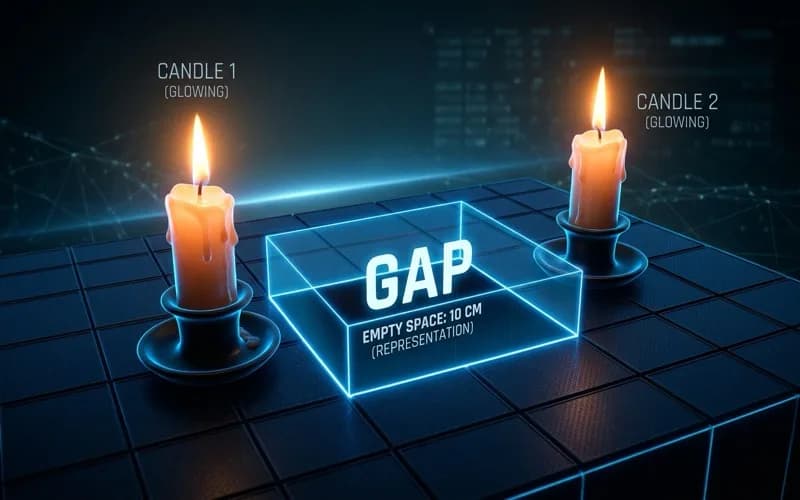
Fair Value Gaps in Crypto: Define the Three-Candle Condition, Then Test It
An FVG is a user-defined three-candle price relationship. It is not proof of inefficient pricing, hidden orders, or a future fill.
April 12, 2026
Technical Analysis7 min read
Order Blocks in Crypto: Define a Candle Range, Do Not Infer Its Owner
An order block is a chart-annotation convention for a prior candle or range. It cannot prove an institution placed, retained, or will defend orders there.
April 12, 2026

Technical Analysis7 min read
Crypto Price Gaps: Define the Instrument and Session Before You Test a Fill
A gap depends on a contract, feed, candle boundary, and session definition. It is not a universal promise that price must return.
April 12, 2026

Technical Analysis7 min read
Moving Averages in Crypto: Define the Calculation, Then Test the Rule
SMA and EMA are deterministic transformations of past prices. They can summarize a selected series, not reveal a trend or guarantee a crossover outcome.
April 11, 2026

Technical Analysis7 min read
Trend Analysis in Crypto: Define the Condition Before Calling It a Trend
A trend is a rule over a selected price series and horizon. Define its inputs, threshold, and invalidation before testing rather than treating it as a directional signal.
April 11, 2026

Technical Analysis7 min read
Crypto Volume Analysis: Define the Feed Before You Interpret the Number
Volume is a scoped record of reported activity, not a truth detector. Define venue, aggregation, units, and missing data before drawing conclusions.
April 11, 2026

Technical Analysis7 min read
Crypto Breakouts: Define the Level and Failure Rule Before the Trade
A breakout is a defined cross of a defined level in a defined feed. It can be measured, but it does not forecast an explosive move.
April 11, 2026

Technical Analysis7 min read
Fibonacci Retracements in Crypto: Define the Anchors, Then Test the Level
Fibonacci ratios are arithmetic levels between selected anchors. They can organize a chart, not prove support, reversal, or an optimal entry.
April 10, 2026

Technical Analysis7 min read
Crypto Price Action: Define the Observation Before the Interpretation
Candles summarize a selected feed and interval. They can support reproducible observation, but they do not reveal intent or predict the next move.
April 10, 2026

Technical Analysis7 min read
Crypto Chart Patterns: Define the Geometry Before Naming the Pattern
Pattern names summarize selected geometry. Define pivots, tolerances, break conditions, and failure rules before testing rather than treating a pattern as a forecast.
April 10, 2026

Technical Analysis7 min read
Crypto Support and Resistance: Define the Level Before the Interpretation
Support and resistance are selected price ranges under a stated rule. They can organize observations, not guarantee a bounce, rejection, or defended order flow.
April 10, 2026

Technical Analysis9 min read
Technical Indicators for Crypto: RSI, MACD, Moving Averages and Volume
Use indicators as a repeatable observation system, not prediction machines: what each measures, why signals fail, and how to test a rule before risking capital.
March 29, 2026
Want more content like this?
Join 4,100+ traders in the CryptoLV private group.