

Finance
14 articles
Finance14Fundamental Analysis15Technical Analysis17Markets2Strategy31Macro3DeFi16Analysis4Security2Blockchain2Trading1AI Agents7

Finance4 min read
Crypto cards: custody, spending permissions, and borrowing
Find out whether a card spends your balance or creates debt, who controls the assets, and what happens when collateral falls.
October 7, 2026

Finance5 min read
Using a crypto card abroad: currency, fees, and ATMs
Check currency conversion, cash withdrawals, hotel holds, and card-specific travel benefits before you leave.
October 7, 2026

Finance5 min read
Crypto cards and neobanks: who holds your money?
A familiar app or card brand does not tell you whether your balance is a bank deposit, safeguarded e-money, or crypto held with a provider.
October 7, 2026

Finance6 min read
Spain: crypto-card tax records and reporting
Separate the card purchase from the crypto sale or swap behind it, then keep the records AEAT rules may require.
October 7, 2026

Finance6 min read
United States: crypto-card tax records
Match crypto-funded card activity to the actual digital-asset transaction, then reconcile your records with Form 1099-DA.
October 7, 2026

Finance2 min read
Calculate crypto-card cashback after caps and fees
Turn an advertised rate into an estimate using eligible spending, marginal reward bands, caps and actual costs.
October 4, 2026

Finance2 min read
When does a paid card plan pay for itself?
Compare a paid plan with its free alternative using incremental rewards, caps and annual costs.
October 4, 2026

Finance2 min read
Card FX fees, conversion spreads and ATM costs
Separate residence, card currency and merchant currency to understand where payment costs arise.
October 4, 2026
Finance3 min read
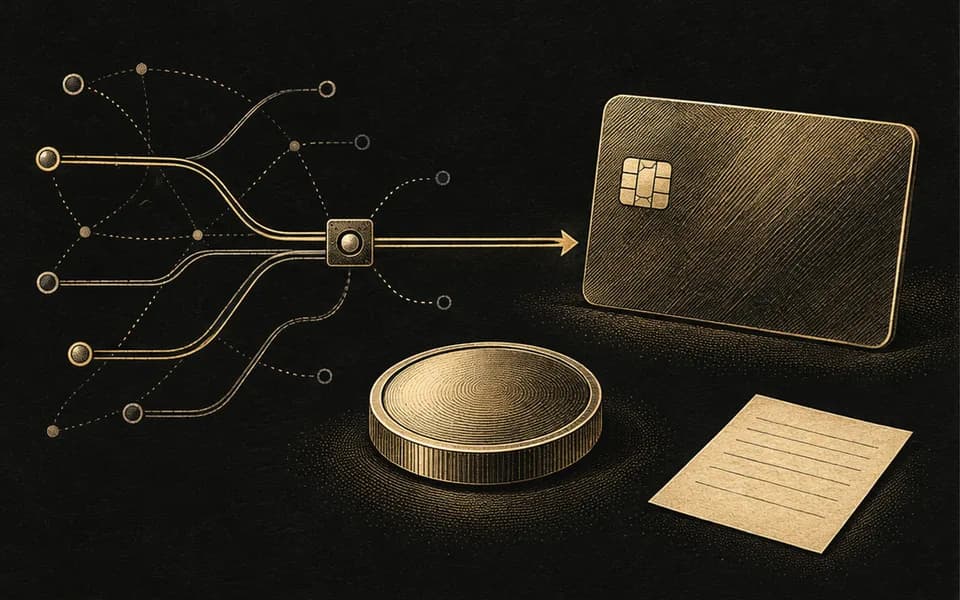
Stablecoins and crypto-card networks: check the route before sending
Match the token, network, and deposit address, then compare transfer, conversion, and card fees before moving funds.
October 7, 2026
Finance4 min read
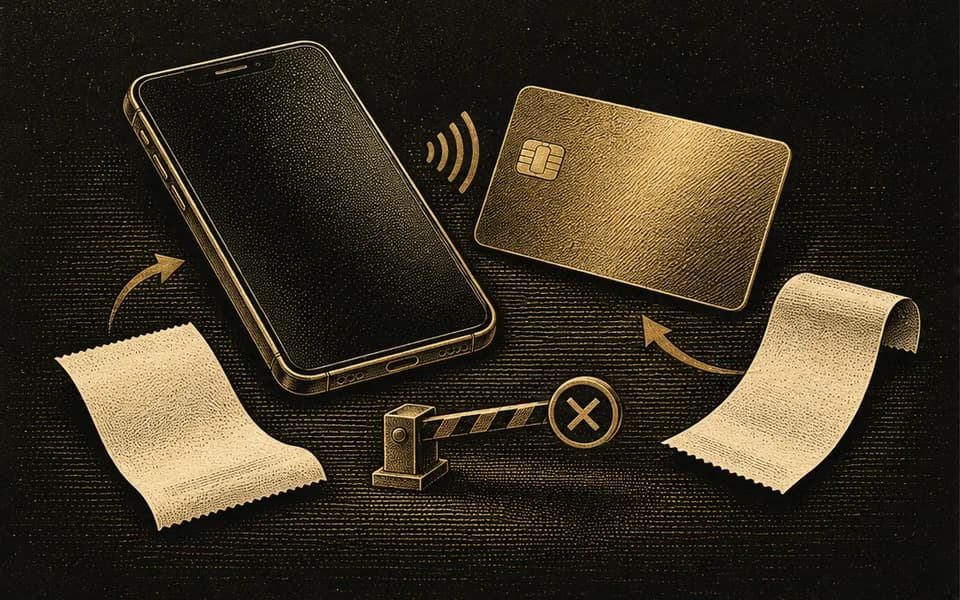
Crypto cards, mobile wallets, refunds, and declined payments
Set up a supported wallet, check a declined purchase, and track a refund using the issuer's own process.
October 7, 2026

Finance8 min read
Crypto Card Verification and Privacy: A Due-Diligence Guide
What a crypto-card verification claim can and cannot tell you, how card-network and consumer-protection rules shape the experience, and the exact checks to make before loading funds.
July 19, 2026

Finance9 min read
Crypto Exchange Verification and Privacy: What to Check Before You Deposit
A source-backed guide to what exchange verification can mean, why terms vary by jurisdiction, and how to assess custody, records, sanctions, and account-recovery risks without relying on stale withdrawal-limit lists.
July 19, 2026

Finance7 min read
Crypto Privacy and Verification: A Practical Decision Guide
A source-backed guide to privacy, identity verification, custody, and compliance in crypto. Learn what a 'no KYC' claim can mean, what it cannot promise, and how to evaluate a service before using it.
July 19, 2026

Finance7 min read
Crypto Cards: How They Work and How to Compare Them
A practical guide to the crypto-card payment flow, custody, conversion, fees, protection, and tax-record questions—plus a repeatable checklist for choosing a card without relying on stale cashback or availability claims.
July 18, 2026
Want more content like this?
Join 4,100+ traders in the CryptoLV private group.